17 Sep 2026
Half year results 2026 – locking in impact for the next 30 years

In the first half of 2026 Thrive’s portfolio of wind, solar and hydro projects generated 69,589 MWh of clean electricity [1], enough to power over 41,000 homes [2] – that’s a town the size of Barnsley [3]. In total the portfolio delivered emissions reductions equivalent to over 31,000 tonnes of carbon dioxide [4]. Operating profit was £1.8 million on a revenue of £10.3 million. Read more in our half year report.
Progress with new projects
In the first half of the year, United Downs geothermal power plant – which Thrive is invested in – delivered the UK’s first ever geothermal electricity. Meanwhile, construction of our biggest project yet – a 57MW onshore wind farm in Scotland – is nearly complete. The project, which is due to start generating later this year, will power the equivalent of around 45,000 average UK homes a year. We can’t wait to see the blades start spinning soon!
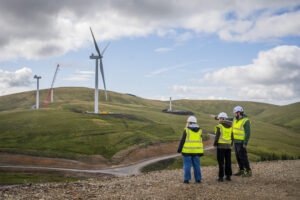
Development of our 12.6MW wind farm in South Wales is also progressing well, with construction expected to commence next year. Elsewhere, in Orkney, new milestones have been reached in our plans to repower Burgar Hill. A planning application has been submitted to replace five existing turbines with newer, larger and more productive models and we have acquired two of the existing turbines from the previous owner, RWE.
Enhancing nature
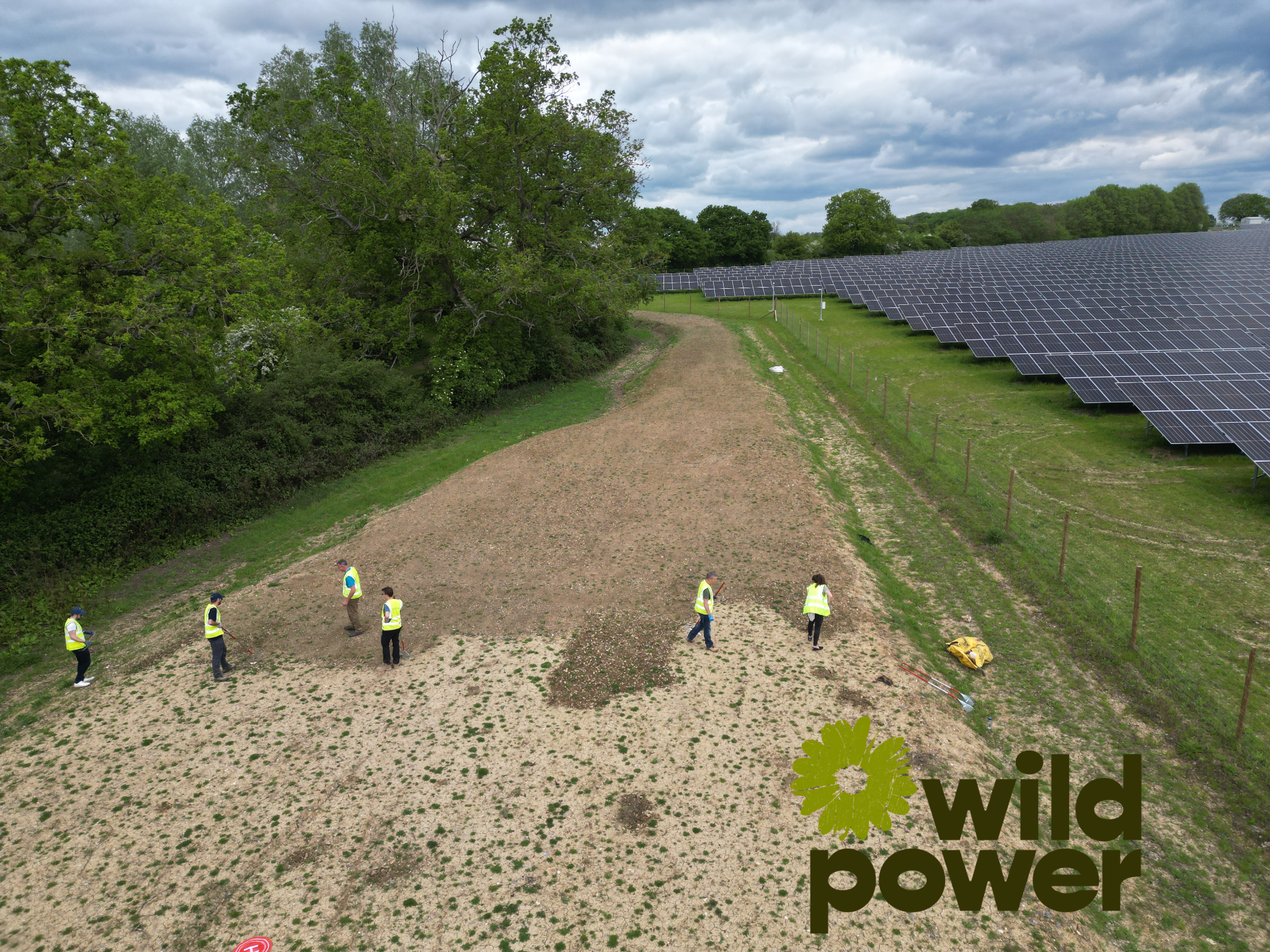
As well as generating clean electricity, it’s important that our renewable energy projects are having a positive impact on nature. Dunmow solar farm in Essex, which we co-own alongside TopCashback Group Ltd, has become one of the first sites in the UK to become Wild Power certified. A bit like a fair-trade stamp for your coffee, Wild Power certification is a biodiversity stamp for solar farms, recognising our commitment to conserving and enhancing nature on site. Since acquiring the 10MW solar farm in 2025, we’ve introduced a range of biodiversity measures to ensure the project provides a haven for local wildlife to thrive as well as generating clean electricity.
“Wild Power certification reflects Thrive’s commitment to going above and beyond minimum requirements at Dunmow to deliver a truly nature friendly renewable energy project. We commend Thrive for their efforts and we hope that this achievement will inspire others to follow, contributing to Wild Power’s mission to make it easy and viable for nature to thrive at renewable energy sites.”
In May our operations team spent a productive couple of days on site at Dunmow preparing soil berms (raised areas of soil) for the creation of a new wildflower-rich grassland habitat that will benefit a range of wildlife – from birds and butterflies to badgers and hares.
Collaborative funding
All capital from the Fair Play Clean Energy partnership with TopCashback Group Ltd has either been deployed or is ready to be invested, funding 79.6MW of new renewable capacity. Meanwhile, the first project to be funded by Community Energy Catalyst, our £40 million joint venture with social impact investor, Better Society Capital, is now operational. The Attix CIC community turbine in Kilbirnie will help bring vital funds back into the local community.
Thrive has also secured new project finance, injecting a total £64 million to fund our growing portfolio. This includes debt funding from Investment Manager Triple Point to support the construction of Whitelaw Brae, and a £4.1 million loan from Triodos Bank UK for Dunmow solar farm, helping refinance shareholder capital already invested in the project and enabling it to be redeployed into future renewable energy developments.
£5 million was invested by individuals in our 2026 bond offer, plus a further £2 million from institutional and high net worth impact investors to fund new clean energy projects. In total, we’ve now raised over £70 million for new renewable energy projects, the majority via crowdfunding.
[1 ]Refers to Thrive’s impact portfolio – total electricity generation of the portfolio adjusted for Thrive’s proportion of ownership, plus the projects Thrive is funding.
[2] Calculated using the most recent statistics from the Department for Energy Security and Net Zero (DESNZ) showing that UK average domestic household consumption is 3,323kWh per annum (1,662kWh for a half year).
[3] Average residents per household 2.36 (https://www.ons.gov.uk/peoplepopulationandcommunity/birthsdeathsandmarriages/families/bulletins/familiesandhouseholds/2025/ ) Population of Barnsley is 98,924 (https://www.ons.gov.uk/peoplepopulationandcommunity/populationandmigration/populationestimates/datasets/understandingtownsinenglandandwalespopulationanddemography/)
[4] Carbon reduction is calculated by multiplying the total amount of renewable electricity generated by Thrive’s impact portfolio in the first half of 2026 by the number of tonnes of carbon which fossil fuels would have produced to generate the same amount of electricity. We have used DESNZ’s “all non-renewable fuels” emissions statistic of 422 tonnes of carbon dioxide per GWh of electricity supplied from the Digest of UK Energy Statistics (July 2026) Table 5.14 (“Estimated carbon dioxide emissions from electricity supplied”). Additionally, we include a conservative estimate of the carbon saved through operating our BESS projects.
Latest news
27 Oct 2026
The climate emergency just got personal. But the solutions are on our doorstep too.
Read more
19 Oct 2026
Community Benefit Programme now open – tell us how you want climate action to look in your area
Read more
30 Sep 2026
Sunny shareholder visit to Dunmow solar farm – here are the highlights!
Read more